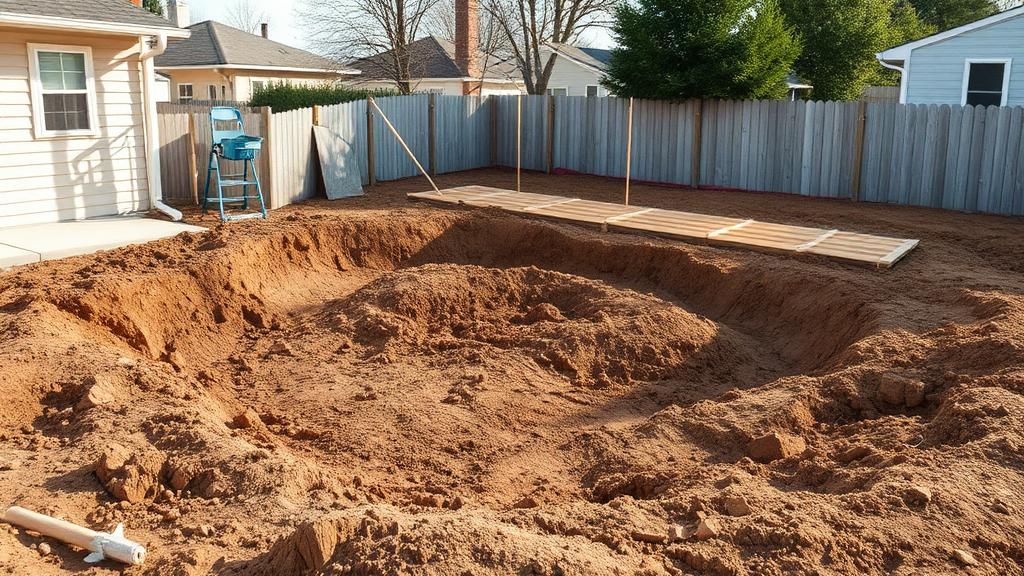
How to Prepare Your Property for Concrete Work
What to do before the concrete crew arrives. A homeowner guide to preparing your Des Moines property for driveway, patio, or foundation work.
Quick Answer: How do I prepare my property for concrete work?
Prepare your property by clearing the work area of vehicles and obstacles, marking underground utilities, ensuring access for concrete trucks (10ft wide path), and discussing drainage with your contractor. Most prep work is handled by professionals, but clearing personal items speeds up the project.
Preparing Your Property for Concrete Work: A Homeowner's Guide
You've scheduled your concrete project—congratulations! Now what? Proper preparation ensures your project goes smoothly, stays on schedule, and delivers the best results.
This guide covers everything Des Moines homeowners need to know before the concrete crew arrives.
Two Weeks Before: Planning Phase
Notify Your Neighbors
Concrete work involves:
- Delivery trucks (loud and large)
- Equipment noise
- Temporary driveway access issues
- Potential parking impacts
A quick conversation with neighbors goes a long way toward maintaining good relationships.
Check for Underground Utilities
This is critical. Before any digging occurs:
- Call 811 (Iowa One Call) at least 48 hours before work begins
- Utility companies will mark underground lines at no charge
- This includes: gas, electric, water, sewer, cable, and phone lines
Never skip this step. Hitting a utility line can be dangerous and expensive.
Verify Permits (If Needed)
Your contractor typically handles permits, but verify:
- Permit has been obtained (if required)
- Inspection schedule is set
- Any HOA approvals are in place
Review Property Boundaries
For driveways and walkways near property lines:
- Know where your property ends
- Discuss any encroachment concerns with your contractor
- Review survey stakes if available
One Week Before: Preparation Phase
Clear the Work Area
Remove everything from the project zone:
Vehicles:
- Move all cars, trailers, boats from the driveway
- Arrange alternative parking for project duration
- Plan for limited access during curing (typically 7 days)
Outdoor Items:
- Patio furniture
- Grills and smokers
- Planters and garden decorations
- Kids' toys and play equipment
- Garden hoses and sprinklers
Landscaping Elements:
- Relocate movable plants
- Mark plants you want protected
- Remove temporary edging or borders
Trim Vegetation
Cut back any plants, shrubs, or tree branches that:
- Hang over the work area
- Could interfere with equipment
- May block access for concrete trucks
Check Access Points
Concrete trucks are large (10 feet wide, 40+ feet long). Ensure:
- Driveway access is clear
- Gate openings are wide enough (if applicable)
- Overhead clearance is adequate (no low wires or branches)
- Ground is firm enough to support heavy trucks
Protect Nearby Surfaces
Concrete work can be messy. Protect:
- Adjacent landscaping with tarps
- Nearby walls and siding
- Windows close to the work area
- Existing concrete or paved surfaces
Make Arrangements for Pets
On pour day:
- Keep dogs indoors or at another location
- Block pet doors leading to work areas
- Wet concrete is caustic and harmful to pets
The Day Before: Final Preparations
Water the Area (Sometimes)
In hot, dry conditions, lightly water the ground the evening before. This:
- Prevents the soil from drawing moisture from fresh concrete
- Helps with dust control
- Should NOT leave standing water or mud
Ensure Easy Access
- Unlock gates that the crew will need to use
- Remove any final obstacles
- Clear a path for wheelbarrows if backyard work is planned
Confirm Project Details
Quick call or text with your contractor to confirm:
- Arrival time
- Expected project duration
- Any last-minute questions or concerns
- Weather forecast check
Stock Up on Patience
Fresh concrete requires time to cure. Plan for:
- No walking on concrete for 24-48 hours
- No driving on driveways for 7 days
- Full cure and sealing possible after 28 days
Day of the Pour: What to Expect
Morning Preparation
The crew will typically:
- Set up forms and stakes
- Prepare the base (grading, compaction)
- Set reinforcement (wire mesh or rebar)
- Verify elevations and drainage
Concrete Delivery
- Trucks arrive on schedule (usually morning for best conditions)
- Pour typically takes 1-3 hours depending on size
- Finishing work begins immediately after pouring
Your Role
On pour day, you should:
- Be available for questions but stay out of the work area
- Keep children and pets away from wet concrete
- Provide access to water and electricity if needed
- Take photos to document the process
After the Pour: Curing Period
First 24 Hours
- No foot traffic on the concrete
- Crew may apply curing compound
- Control joints may be cut
First Week
- No vehicle traffic on driveways
- Light foot traffic okay after 48 hours
- Avoid placing heavy objects on surface
First Month
- Avoid harsh chemicals or deicers
- Plan sealing for 28+ days after pour
- Monitor for any issues and report to contractor
Common Questions
Can I park on my new driveway right away?
No. Wait at least 7 days for light vehicles, 10+ days for heavier trucks or SUVs.
What if it rains right after they pour?
Light rain after finishing is usually okay. Heavy rain during the pour is problematic—your contractor will monitor forecasts and reschedule if needed.
Should I water my new concrete?
Some contractors recommend moist curing (light misting 2-3 times daily for the first week). Follow your contractor's specific instructions.
When can I put furniture on my new patio?
After 48 hours for light items. Wait a full week before placing heavy planters or furniture.
Preparation Checklist
Use this checklist to ensure you're ready:
Two Weeks Before:
- [ ] Notify neighbors
- [ ] Call 811 for utility marking
- [ ] Verify permits/HOA approval
- [ ] Review property boundaries
One Week Before:
- [ ] Clear work area completely
- [ ] Move all vehicles
- [ ] Trim overhanging vegetation
- [ ] Verify truck access
- [ ] Protect nearby surfaces
- [ ] Plan for pet care
Day Before:
- [ ] Water area if dry (optional)
- [ ] Unlock gates
- [ ] Confirm with contractor
- [ ] Plan for limited access during curing
We Make It Easy
At Des Moines Concrete Companies, we guide you through every step of the preparation process. Our team provides a detailed checklist specific to your project and handles the heavy lifting.
Contact us to start planning your concrete project.
Pre-Pour Checklist for Des Moines Homeowners
2 Weeks Before
- Confirm permit status with your contractor (most Des Moines metro cities require one)
- Call Iowa One Call (811) to mark underground utilities — required by state law and free
- Notify neighbors if work will block shared access
- Move RVs, boats, trailers, and extra vehicles off-property
- Identify and label sprinkler heads, low-voltage lighting, or invisible fence wires
1 Week Before
- Trim tree limbs and shrubs along the work area
- Move planters, garden hoses, and outdoor furniture
- Confirm pour day weather window with your contractor
- Plan an alternate parking spot for at least 7 days after the pour
Day Before
- Clear the driveway and any staging areas completely
- Unlock side gates and confirm crew access
- Move trash and recycling bins out of truck path
- Disable automatic sprinkler zones near the work area
Utilities and Underground Lines
Iowa One Call (811 or iowaonecall.com) is free, legally required before any digging, and takes 2 business days. They mark gas, electric, water, sewer, cable, and fiber. Skipping this can mean hitting a gas line ($10,000+ in fines), cutting fiber/cable lines (utility company bills you), or hitting irrigation. A reputable contractor will refuse to dig without locates marked.
Trees and Landscaping in Older Iowa Neighborhoods
Iowa neighborhoods — especially Beaverdale, Sherman Hill, Drake, and Highland Park — often have mature trees with roots near or under driveways. Decisions to make ahead of time:
- Are you willing to lose a tree to gain a clean slab?
- Do you have plants that need transplanting before excavation?
- Are there any city-protected trees on your property?
Talk through these at the quote stage, not pour day.
Where the Concrete Truck Will Go
A standard concrete truck is roughly 30 feet long, 8.5 feet wide, weighs 30,000+ pounds empty, and needs about 14 feet of vertical clearance. Verify:
- Can the truck reach the pour location, or will the crew need a pump truck ($300–$800 add-on)?
- Will the truck damage existing driveway or lawn? (Plywood mats can help)
- Are there overhead power lines, low branches, or gates that block access?
- Where will excess concrete be washed out?
Protecting What You're Keeping
- Cover any nearby siding or brick with plastic sheeting
- Move outdoor furniture, grills, and decor at least 10 feet from the pour edge
- Cover landscape rock or mulch you don't want concrete on
- Identify a corner of the yard where leftover concrete can be dumped
Setting Realistic Timelines
- Demo day: Loud, dusty; old slab gets hauled off
- Prep days: Excavation, base material delivery, forming
- Pour day: 4–8 hours of crew on site
- First 24 hours: Stay completely off the slab
- Days 2–7: No vehicles; light foot traffic only
- Day 28: Full strength reached
For more on what's safe at each stage, see our concrete cure time guide.
Permits, HOAs, and Property Lines
Des Moines metro cities and most HOAs have rules:
- Permit required for new driveways, replacements, and major patios in most metro cities
- Setback rules from property lines — typically 3–5 feet
- Approach standards for connecting to public streets — managed by city public works
- HOA approval needed for visible work in many neighborhoods
A good contractor handles permits as part of the job.
What Happens If Weather Changes?
Reputable crews monitor radar and may reschedule for forecast rain in the first 4 hours, overnight lows below 40°F, wind speeds above 15 mph, or daytime highs above 90°F with low humidity. If your pour gets rescheduled, that's almost always the right call. See our best time to pour concrete guide for seasonal expectations.
Questions to Ask Your Contractor Before Pour Day
- What's the exact mix design and PSI rating?
- Will the slab include rebar, mesh, or fiber reinforcement?
- How and when will control joints be cut?
- What curing method will be used (compound, blanket, wet cure)?
- What's the warranty, in writing?
- What's the contingency plan if weather changes?
After the Pour: Your Job Isn't Done
- Keep all traffic off for at least 24 hours
- Don't let pets walk on it for 48 hours
- Keep sprinklers off the slab for 7 days
- Don't apply sealer for 28 days
- Don't use deicing salt the entire first winter
If you're planning concrete work in the Des Moines metro and want a contractor who walks you through every prep step before pour day, request a free quote — we'll handle permits, locates coordination, and the full pre-pour checklist.
Prices shown are typical planning ranges for budgeting, not quotes. Actual pricing varies by project and depends on size, concrete thickness, site access, demolition/removal, base preparation, reinforcement, drainage, decorative finish, material requirements, labor and project complexity.
Des Moines Concrete Companies
Verified ExpertProfessional Concrete Contractors
Work is performed by licensed, insured and bonded contractors with 20+ years of industry experience, specializing in all types of residential and commercial concrete work.
Ready to Start Your Concrete Project?
Get a free, no-obligation quote from Des Moines's trusted concrete professionals.