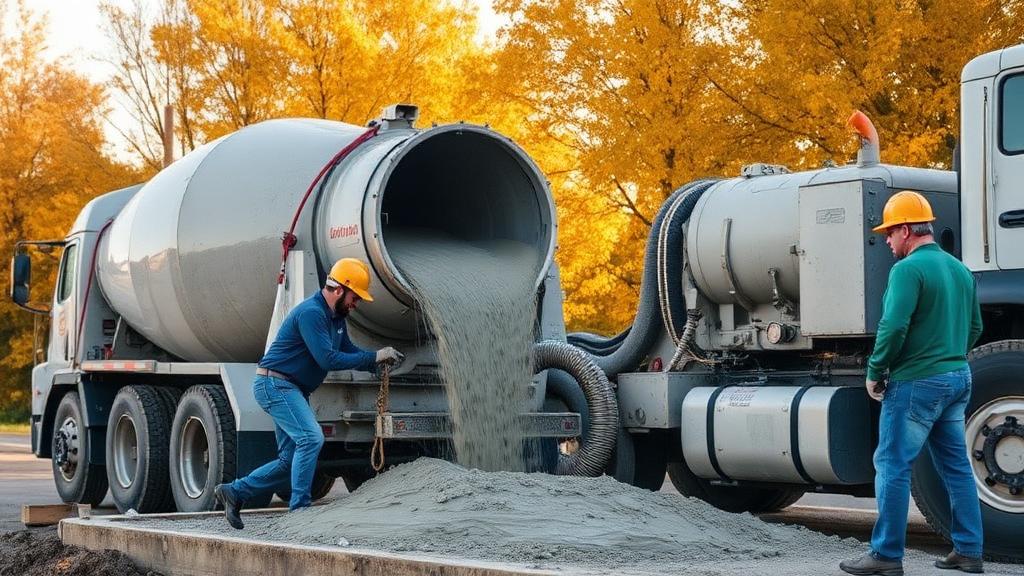
Best Time of Year to Pour Concrete in Iowa
Timing matters for concrete work. Learn when to schedule your concrete project in Iowa for the best results and longest-lasting finish.
Quick Answer: When is the best time to pour concrete in Iowa?
The best time to pour concrete in Iowa is late spring through early fall (May-October) when temperatures stay between 50-85°F. Avoid pouring during freezing conditions or extreme heat. Early morning pours work best in summer to allow proper curing before peak temperatures.
When is the Best Time to Pour Concrete in Iowa?
Timing your concrete project correctly can be the difference between a driveway that lasts 30 years and one that starts cracking in the first winter. Iowa's dramatic temperature swings make scheduling particularly important.
In this guide, we'll explain the ideal conditions for pouring concrete in Iowa and help you plan your project for success.
The Science Behind Concrete Curing
Before diving into timing, it helps to understand why temperature matters. Concrete doesn't simply "dry"—it undergoes a chemical reaction called hydration. This process:
- Generates heat as cement binite with water
- Requires consistent temperatures for proper strength development
- Takes approximately 28 days to reach full strength
- Is significantly affected by temperature extremes
Ideal Conditions for Pouring Concrete
Temperature Requirements
The sweet spot for pouring concrete is:
- Air temperature: 50°F to 60°F
- Ground temperature: Above 50°F
- Forecasted temperatures: Above 50°F for at least 7 days after pour
These conditions allow concrete to cure at an optimal rate, developing maximum strength and durability.
Humidity Considerations
Moderate humidity (40-60%) is ideal. Very low humidity can cause the surface to dry too quickly, leading to:
- Surface cracking
- Weak surface layer (dusting)
- Poor finishing quality
Iowa's Concrete Seasons
Spring (April - May): Good to Excellent
Pros:
- Temperatures often in ideal range
- Ground has thawed and dried
- Moderate humidity levels
- Longer days for work completion
Cons:
- Unpredictable spring storms
- Muddy conditions early in season
- Contractor schedules fill quickly
Best months: Late April through May
Summer (June - August): Challenging
Pros:
- Consistent weather patterns
- Dry conditions
- Flexible scheduling
Cons:
- Heat is the enemy - temperatures above 90°F cause rapid curing
- Risk of thermal cracking
- Early morning pours required
- Requires additional curing measures
Summer strategy: Pour in early morning (before 7 AM) when temperatures are cooler.
Fall (September - October): Excellent
Pros:
- Often the best conditions of the year
- Ideal temperature range
- Stable weather patterns
- Concrete has time to fully cure before deep freeze
Cons:
- Limited window before cold weather
- High demand for contractors
- Earlier sunsets reduce work hours
Best months: Mid-September through mid-October
Winter (November - March): Not Recommended
Risks of winter pouring:
- Concrete can freeze before curing
- Dramatically reduced strength
- Surface scaling and spalling
- Potential for complete failure
Bottom line: Unless absolutely necessary with proper cold-weather techniques, avoid pouring concrete when temperatures drop below 50°F.
Month-by-Month Guide for Iowa
| Month | Rating | Notes | |-------|--------|-------| | January | ❌ Poor | Too cold, frozen ground | | February | ❌ Poor | Too cold, frozen ground | | March | ⚠️ Risky | Late month possible with warm spell | | April | ✅ Good | Mid to late month ideal | | May | ✅ Excellent | Prime concrete season | | June | ✅ Good | Watch for heat waves | | July | ⚠️ Fair | Hot, requires early pours | | August | ⚠️ Fair | Hot, requires early pours | | September | ✅ Excellent | Ideal conditions | | October | ✅ Excellent | Early month best | | November | ⚠️ Risky | Early month only | | December | ❌ Poor | Too cold |
Special Considerations for Iowa
Planning Around the Freeze
Iowa typically experiences its first hard freeze in late October to early November. For best results:
- Driveways and slabs: Complete by mid-October
- Allow 28 days before exposure to freeze-thaw cycles
- Apply sealer at least 30 days after pour, before winter
Spring Thaw Concerns
In spring, ensure:
- Ground is completely thawed (not just surface)
- Soil has dried sufficiently for compaction
- No frost in forecast for 7+ days
Heat Mitigation Strategies
For summer pours, professionals use:
- Ice or chilled water in the mix
- Sunshades over freshly poured concrete
- Misting and wet curing blankets
- Earlier start times (5-6 AM)
How to Schedule Your Project
Plan Ahead
- Contact contractors early - Book spring or fall pours 2-3 months in advance
- Build in weather buffer - Allow flexibility in your timeline
- Communicate deadlines - Let your contractor know any hard dates
Be Flexible
Weather is unpredictable in Iowa. A good contractor will:
- Monitor forecasts closely
- Reschedule if conditions aren't right
- Prioritize quality over convenience
This is a good thing - it means they care about the final product.
What If You Must Pour in Non-Ideal Conditions?
Sometimes project timelines don't align with perfect weather. Professional contractors can work in challenging conditions using:
Hot weather techniques:
- Accelerated mix designs
- Evaporation retarders
- Immediate curing measures
- Night or early morning pours
Cold weather techniques:
- Heated enclosures
- Insulated blankets
- Hot water in mix
- Accelerators (carefully used)
These techniques add cost but can produce quality results when necessary.
The Bottom Line
For Des Moines homeowners, late April through May and September through mid-October offer the best conditions for concrete work. Planning your project for these windows gives your concrete the best chance for a long, crack-free life.
Ready to Schedule Your Project?
At Des Moines Concrete Companies, we carefully time our projects to ensure optimal curing conditions. We'll work with you to schedule your project during the best weather window for lasting results.
Contact us to discuss timing for your concrete project.
Best Months to Pour Concrete in Des Moines
Iowa contractors generally agree on this seasonal ranking for the Des Moines metro:
| Season | Months | Rating | Why | |---|---|---|---| | Late Spring | May–June | Excellent | Stable temps, low rain risk, ground fully thawed | | Early Fall | September–October | Excellent | Cool, dry, predictable | | Mid-Summer | July–August | Good | Workable with morning pours and curing protection | | Early Spring | March–April | Fair | Frost still possible at night, ground may be wet | | Late Fall | November | Risky | Frost begins; cold-weather measures usually required | | Winter | December–February | Avoid | Requires heaters, blankets, and admixtures; costs jump 20–40% |
Booking 4–6 weeks in advance is normal during May, June, September, and October — Iowa's two narrow ideal windows.
Why Iowa's Climate is Particularly Demanding
Most regions have one or two concrete enemies. Iowa has all of them:
- Freeze-thaw cycles: 70+ per year in central Iowa, far above the national average
- Wide temperature swings: 50°F daily swings are common in spring and fall
- Wet springs: Saturated subgrade from snowmelt can delay pours by weeks
- Hot, humid summers: Surface evaporation accelerates; cracks form within hours without protection
- Deicing salt exposure: Iowa DOT and county roads use heavy salt — runoff reaches driveways and walkways
This is why timing matters more in Iowa than in milder climates. A pour scheduled at the wrong time of year can lose 5–10 years of useful life before you ever drive on it.
What "Bad Timing" Actually Costs You
A driveway poured in mid-November when the ground is half-frozen looks fine on day one. By spring, you may see:
- Surface scaling (the top layer flaking off)
- Hairline cracks following the slab edges
- Sunken sections where the base wasn't properly compacted
- Premature need for resurfacing — typically by year 3–5 instead of year 15+
These problems can add $1,500–$6,000 in repair costs that a properly-timed pour would have avoided entirely.
Cold-Weather Concrete: When It's Necessary
Sometimes you can't wait for ideal weather — a foundation pour for a build under construction, an emergency driveway replacement after a sinkhole, a commercial project on deadline. In those cases, qualified contractors use:
- Heated water and aggregate in the mix
- Calcium chloride accelerators (or non-chloride alternatives for rebar work)
- Insulating curing blankets to hold heat for 7+ days
- Ground heaters or hoarding to keep the subgrade above freezing
Expect to pay 20–40% more for cold-weather work, plus longer cure times. See our concrete cure time guide for season-specific timelines.
Hot-Weather Concrete: Often Overlooked
Summer pours in Des Moines are easier to schedule but require their own precautions:
- Pour early — crews often arrive at 6–7 AM to finish before peak heat
- Apply curing compound or wet burlap immediately after finishing
- Use retarders in the mix to give finishers more working time
- Avoid pouring on days with 90°F+ highs and low humidity
Without these steps, surface cracking can appear before the slab even hardens.
How to Schedule for the Best Result
If you want top-tier conditions and have flexibility:
- Decide your project in winter — January and February are when good contractors take inquiries for spring
- Get quotes by March — most reputable Des Moines crews are booking April through July by mid-March
- Target a May–June or September–October pour for best results
- Build in a 1–2 week buffer for weather delays — Iowa weather doesn't always cooperate
If you're targeting a specific season, request a free quote at least 6 weeks in advance.
What If You Have to Pour in Off-Season?
If your project can't wait, you still have options:
- Confirm the contractor uses cold or hot weather best practices
- Get the protection plan in writing (heated mix, blankets, etc.)
- Expect a 20–40% premium for winter pours
- Plan for longer cure windows — vehicle traffic may be 14+ days, not 7
A pro that says "we pour year-round, no problem" without naming the protection methods is one to avoid.
Frequently Asked Questions
Can concrete be poured in the rain? Light moisture is okay once the slab has set (4–6 hours after finishing). Heavy rain in the first 4 hours can ruin the surface.
What about humidity? Moderate humidity actually helps curing. Very dry days require curing compound or misting.
Is it cheaper to schedule in the off-season? Sometimes. Mid-summer and early spring may have minor discounts. True winter pours cost more, not less.
What's the worst single day to pour? Any day with overnight temps below 32°F, high winds, and low humidity — the slab can fail before it sets.
Bottom Line for Des Moines Homeowners
The best time to pour concrete in Iowa is late spring (May–June) or early fall (September–October). Both windows give you stable temps, low precipitation risk, and the longest useful slab life. Plan ahead, book early, and treat timing as part of the investment — not an afterthought.
Ready to schedule your project for the right season? Request a free quote and we'll help you pick the optimal pour week.
Prices shown are typical planning ranges for budgeting, not quotes. Actual pricing varies by project and depends on size, concrete thickness, site access, demolition/removal, base preparation, reinforcement, drainage, decorative finish, material requirements, labor and project complexity.
Des Moines Concrete Companies
Verified ExpertProfessional Concrete Contractors
Work is performed by licensed, insured and bonded contractors with 20+ years of industry experience, specializing in all types of residential and commercial concrete work.
Ready to Start Your Concrete Project?
Get a free, no-obligation quote from Des Moines's trusted concrete professionals.